UDS Achieves Historic Breakthrough as Six Cowpea Varieties Secure Conditional National Approval
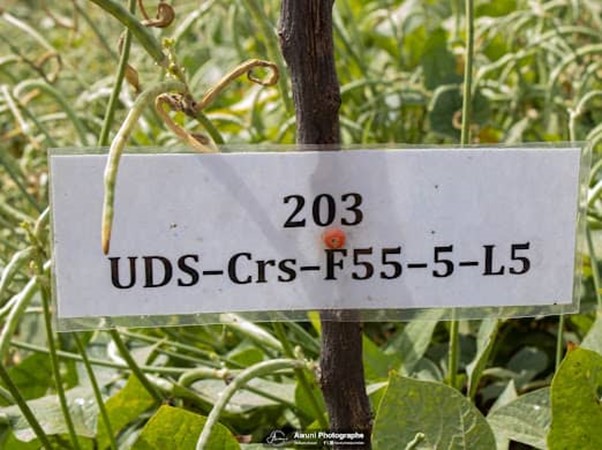
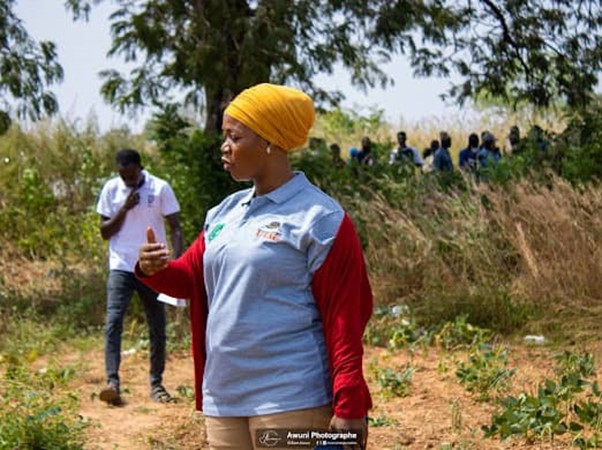
The University for Development Studies (UDS) continues to make strides that underscores it's growing prominence in agricultural research and innovation, as six cowpea varieties developed by a team of researchers led by Professor Sanatu Mustapha Alidu from the Department of Crop Science, Faculty of Agriculture, Food and Consumer Sciences (FoAFCS), have received conditional approval from the National Variety Release and Registration Committee (NVRRC).
The conditional approval, granted after a rigorous field inspection and data validation exercise conducted from 6th to 7th November 2025 at CSIR-SARI and UDS Nyankpala, marks the first-ever approval of crop varieties developed by UDS researchers since the University’s establishment. The final endorsement now awaits the National Seed Council.
The six evaluated cowpea varieties have demonstrated exceptional agronomic qualities, ranging from climate-smart and drought-tolerant traits to extra-early, medium, and late maturity—making them ideally suited for the Guinea Savannah and other semi-arid agro-ecological zones of Ghana. These characteristics are expected to make a meaningful contribution to smallholder farmer productivity, food and nutrition security, and climate resilience across northern Ghana and beyond.
Speaking on the achievement, Professor Sanatu Alidu emphasized that the varieties were developed with the goal of addressing the pressing needs of farmers facing erratic rainfall patterns and soil fertility challenges. “Our focus was to produce cowpea lines that mature early, resist drought, and maintain high yields, varieties that truly respond to the realities of our environment,” she noted.
This milestone positions UDS as an emerging national hub for agricultural innovation, reinforcing its mandate to combine academic learning with community impact. The University anticipates enhanced collaborations with CSIR-SARI, the Ministry of Food and Agriculture (MoFA), and other key players in Ghana’s seed value chain.
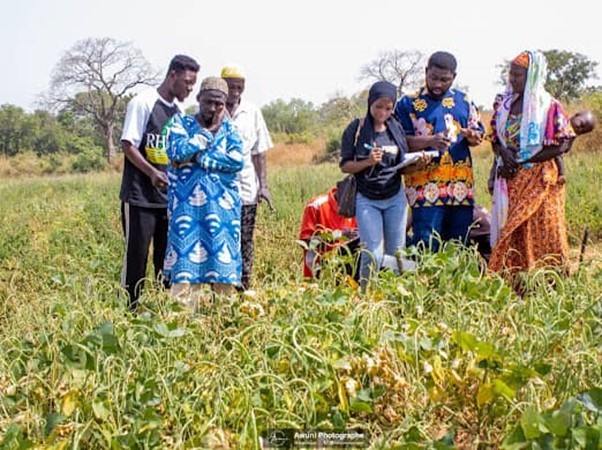
Additionally, the breakthrough opens new opportunities for student training, technology transfer, and seed commercialization, particularly at the University’s Damongo farm, where ongoing efforts continue to link research with real-world agricultural transformation.
The conditional approval of these six cowpea varieties not only highlights the research capacity of UDS but also serves as a testament to the University’s enduring commitment to advancing sustainable agriculture,u improving livelihoods, and contributing meaningfully to Ghana’s food security agenda.
Story by: Abdul Hayi Moomen & Hamdan W. Amadu
(UDS MEDIA)