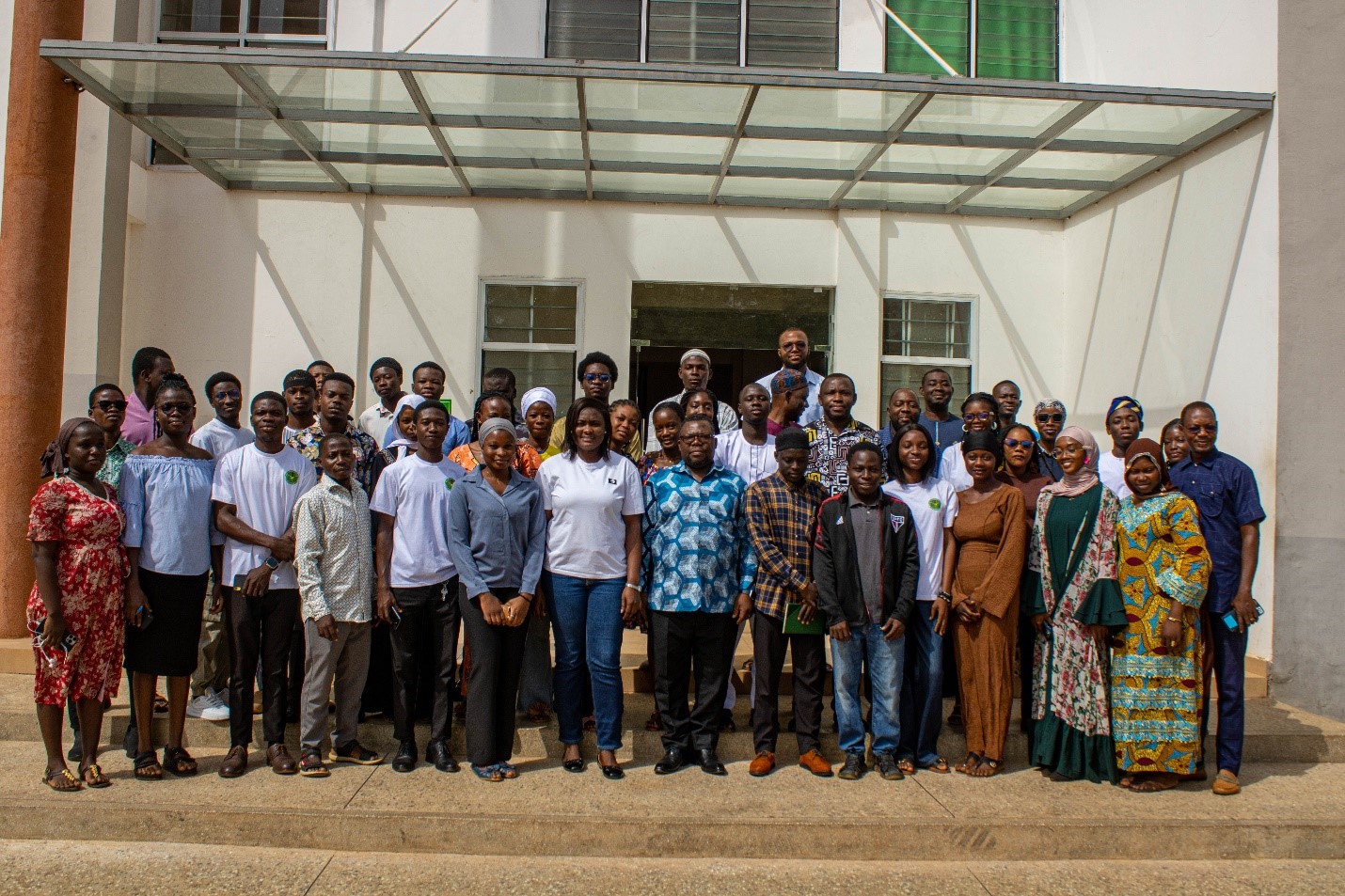
UDS Students Gain Practical Skills in Aquaculture and Water Resource Management with IWMI Training
On January 30th, 2026, the University for Development Studies (UDS) took a significant step towards enhancing its students' practical skills in aquaculture and water resource management. The Department of Aquaculture and Fisheries Sciences (DAFS) recently hosted the International Water Management Institute (IWMI) for a training workshop on the Small Reservoirs Dashboard, a cutting-edge decision-support tool designed to promote sustainable water and aquatic food systems in northern Ghana.
The training, part of the CGIAR Aquatic Foods Initiative, covered over 2,000 small community reservoirs across Ghana's five northern regions. These reservoirs are crucial for dry-season irrigation, livestock watering, domestic water supply, and food security in semi-arid landscapes. The Small Reservoirs Dashboard, developed by IWMI, integrates satellite-derived data with field survey information, enabling users to monitor water availability, visualize seasonal changes, and assess aquaculture feasibility.
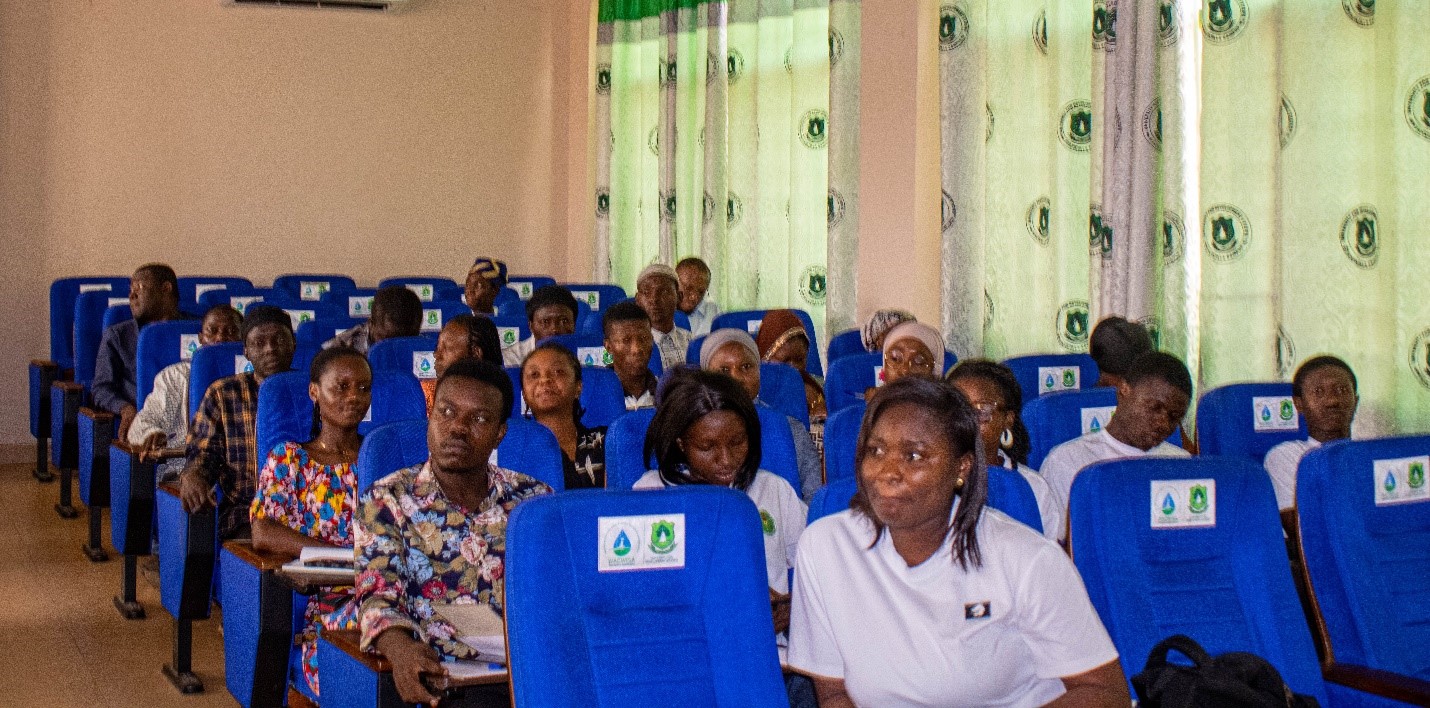
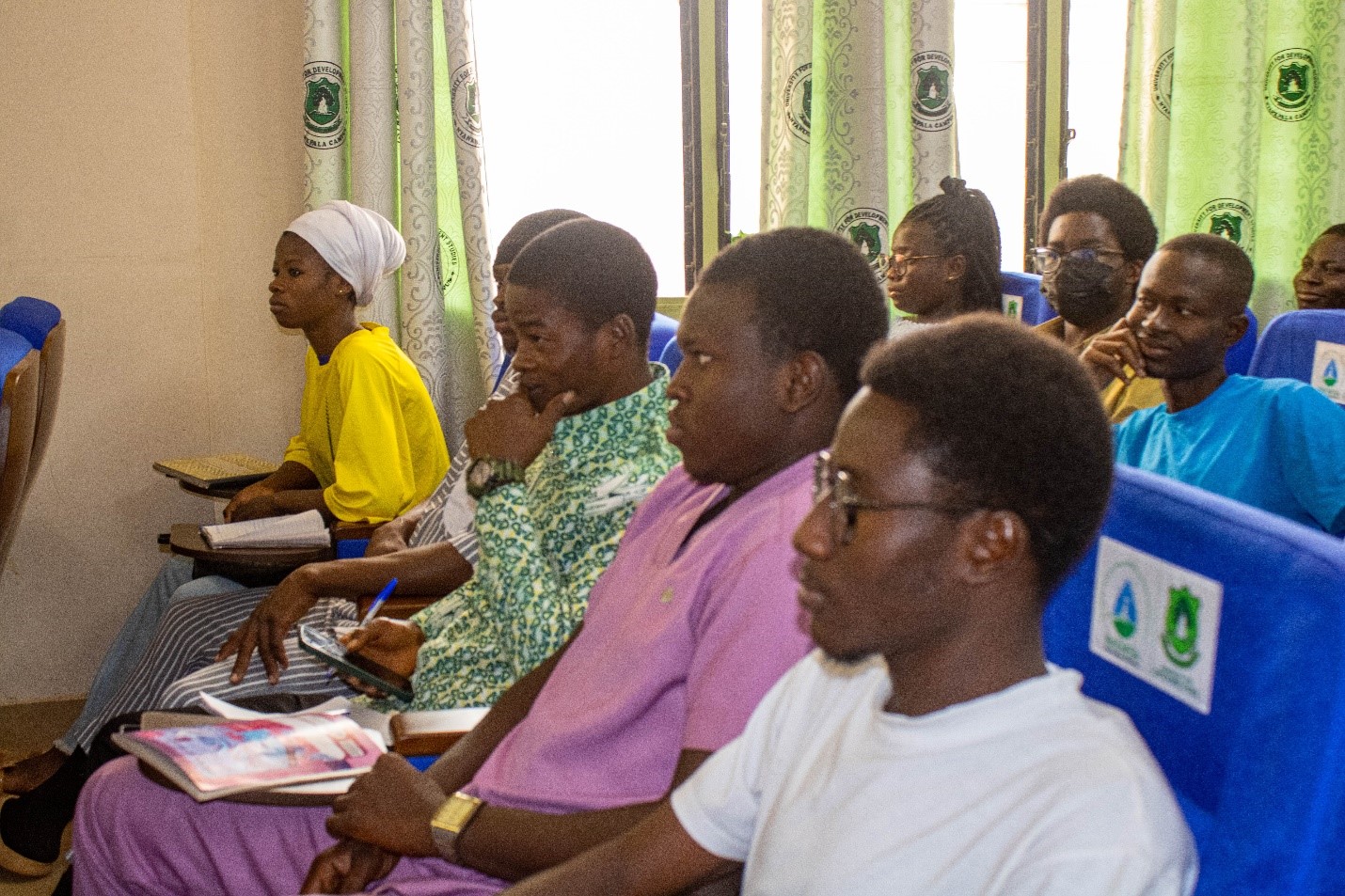
Students from the Faculty of Biosciences and selected departments within the Faculty of Natural Resources and Environment participated in the workshop, gaining hands-on experience in using the dashboard. They learned to apply filters, extract time-series data, and generate outputs to support research, extension services, and policy dialogue.
The training strengthened collaboration between DAFS and IWMI, opening pathways for joint research, student engagement, and practical application of digital tools. "The engagement has laid a strong foundation for sustained collaboration," said Prof. Daniel N. Akongyuure, Vice Dean, Faculty of Biosciences.
The workshop was facilitated by IWMI experts, including Dr. Komlavi Akpoti and Ms. Sarah Appiah. UDS staff, including Prof. Emmanuel D. Abarike and Dr. Abdul Mumeen Iddrisu, also participated.
The initiative aligns with UDS's commitment to innovative, data-driven approaches supporting sustainable development, food security, and climate-resilient livelihoods in northern Ghana. Future plans include integrating the Small Reservoirs Dashboard into teaching and research, refining the tool for local relevance, and capacity-building programmes in remote sensing and hydrologic modelling.
The training also featured Prof. Emmanuel D. Abarike – Head of Department, Aquaculture and Fisheries Sciences, Prof. Seth M. Abobi – Academic Advisor, Faculty of Bioscience, Ms Kezia Baidoo – Lecturer, Ms Edwina Avatim – Administrator, Mr. Mohammed J. Wumbadoo – Fish Farm Technician, Dr. Abdul Mumeen Iddrisu – Head of Department, Biochemistry and Dr. Julious Dongsogo – Lecturer.
Story By:
Hamdan W. Amadu
UDS Media